Cyber Security Course with 100% Placement Assistance
Empower your career with an industry-leading course in cyber security, designed for every ambition, delivered with excellence.
3000+ Happy Learners
- Expert-Led Training with Practical Application
- Comprehensive Placement Assistance
- Flexible and Accessible Learning Options
- Affordable Courses with Quality Resources
Explore the Key Features of Our Professional Cyber Security Training
- Job-oriented course
- Interview Assistance
- 100% Practical Based Learning
- Experienced instructors
- Standard Lab Access
- Guaranteed 3 Interview Arrangements
We have Recognized with Awards
Book a Free Demo Class
Explore Cyber Security Course to Advance Your Career and Skills
SAP
Data Analytics
Data Science
Full Stack Development
Digital Marketing
Here from our Cyber security students
Where Our Cyber Security Students Are Placed
In Depth Classroom Training for Hands On Learning and Real-World Skills
Our Alumni work here
Cyber Security Class Training Reviews
Flexible Cyber Security Training Options
Online training
Classroom training
Cyber Security Training Syllabus
SAP FICO
- Cybersecurity fundamentals and importance
- CIA triad and categories of cyber attacks
- Ethical hacking concepts and scope
- Passive and active footprinting (WHOIS, DNS, social, email)
- Network and vulnerability scanning techniques
- Service and protocol enumeration methods
- Gaining access and password cracking techniques
- Privilege escalation and maintaining access
- Covering tracks, malware types and basic analysis
- Sniffing, ARP spoofing and MITM attacks
- OWASP Top 10 web vulnerabilities (SQLi, XSS, CSRF, etc.)
- Wi‑Fi security, encryption standards and Wi‑Fi attacks
- Phishing, vishing, pretexting and tailgating attacks
- Email spoofing, USB‑based attacks and luring techniques
- DoS/DDoS attacks, botnets and basic defenses
- Symmetric/asymmetric encryption and hashing
- Digital signatures, SSL/TLS and VPN security
- IDS/IPS, firewall types and honeypot deployment
- Cloud security fundamentals on AWS, Azure and GCP
- Secure CI/CD pipelines, containers and IaC risks
- Zero Trust architecture, micro‑segmentation and continuous auth
- SIEM and log management, alerts and correlation
- Threat hunting, IOCs/TTPs and threat intel sources
- Active Directory, mobile, IoT and SCADA security
- Digital evidence handling and system/network forensics
- Risk management lifecycle and security frameworks
- Bug bounty platforms, disclosure process and payout models
- SOC, pentesting, threat hunting and leadership roles
- Key certifications: CEH, OSCP, CISSP, CISA, CompTIA
- Hands‑on projects: Metasploitable2, DVWA and Wi‑Fi cracking lab
Cyber Trainers

Srikanth
Cyber Security Expert

Rahul
Cyber Security Specialist

With 11+ years of experience, I currently serve as a Senior Cyber Security Specialist at SLK Pvt Ltd, where I implement robust security measures for various MNCs.

Prashanth
Senior Cybersecurity Specialist

Chirag
Senior Cybersecurity Specialist
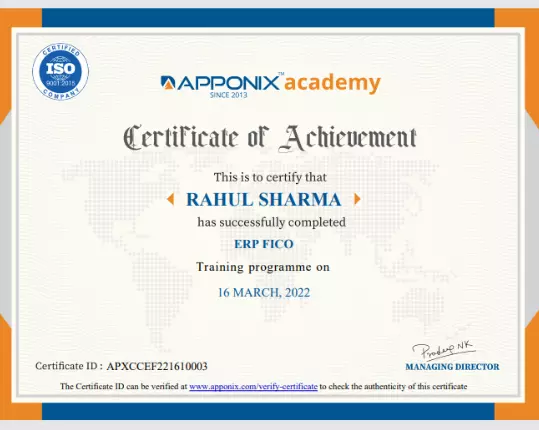
Cyber Security Course Certifications
Your Cyber Security Questions Answered
Find answers to common questions about It Course
This course teaches how cyber attacks happen and how to protect systems, networks and applications using ethical hacking techniques, tools and industry best practices.
Students, fresh graduates, IT support engineers, developers and career switchers with basic computer knowledge can join; prior cyber security experience is not mandatory.
You will learn footprinting, network scanning, system hacking, malware analysis basics, web and wireless hacking, social engineering, cryptography, cloud security, SIEM, forensics and bug bounty fundamentals.
No, it covers both offensive and defensive skills: you practice tools like Nmap, Burp Suite and Wireshark while also learning security hardening, monitoring, incident response and compliance basics.
Yes, you do hands‑on projects such as penetration testing on Metasploitable2, web app pentesting on DVWA and a Wi‑Fi cracking and MITM lab to apply concepts practically.
After completing the course, you can target roles like SOC analyst, cyber security analyst, ethical hacker or penetration tester, network security engineer and junior forensics or threat analyst roles.
The syllabus is aligned with popular certifications and builds fundamentals needed for exams like CEH, CompTIA Security+, OSCP and other security certifications.
Yes, demand for cyber security professionals is growing rapidly across IT services, startups, banks and government, with strong long‑term career and salary potential.
Basic understanding of computers, networks and operating systems is enough; scripting skills in Python or Bash are helpful but can be learned alongside the course.
The program combines an industry‑relevant syllabus, lab‑based learning, real‑world projects, certification‑oriented training and a clear career roadmap with defined beginner to advanced roles.